
Listen to this article on Spotify, or watch it on YouTube.
What is C15?
Pentadecanoic acid, better known as C15:0 or simply C15, is a saturated fatty acid made up of 15 carbon atoms. You’ll find it naturally in foods like milk, cheese, yogurt, butter, cream, and ruminant meats, as well as in smaller amounts in certain other foods. Because C15 has an odd number of carbon atoms, it belongs to a group known as odd-chain saturated fatty acids.
Recently, C15 has become a hot topic in the wellness world, with supplement brands and media outlets touting it as a revolutionary nutrient for cellular health, metabolism, and longevity. Rather than simply consuming it as part of a food, consumers can now purchase concentrated C15 supplements intended to deliver a specific amount of this fatty acid every day.
So, what’s all the buzz about? The central idea is that C15 may do more than simply provide calories. Researchers have proposed that it could influence the structure of cell membranes, the way cells handle stress, inflammatory processes, and several aspects of metabolic health. Some of the early findings are interesting enough to justify further research. The problem is that many of the boldest health claims go considerably further than the human evidence currently allows.
Back in 2023, The Washington Post highlighted growing interest in C15, citing researchers who believed it might help improve immune function and support heart health. Some have also suggested potential anti-aging properties. Riding that wave, a supplement company called Seraphina Therapeutics launched Fatty15, a capsule containing purified C15. The company has boldly described C15 as “the first essential fatty acid discovered in nearly 100 years.”
That is a substantial claim, and it deserves a closer look. C15 is not a newly discovered molecule. Scientists have known about pentadecanoic acid for a long time, and it has been studied as a marker of dairy fat intake in nutritional research for decades. What is newer is the hypothesis that C15 might have direct physiological effects that justify treating it as an essential nutrient in its own right.
Importantly, being biologically active is not the same as being essential. Many fatty acids influence human physiology without meeting the scientific definition of an essential nutrient.
Is C15 Really an Essential Fatty Acid?
According to conventional nutritional science, the two established essential fatty acids for humans are linoleic acid, an omega-6 fatty acid, and alpha-linolenic acid, an omega-3 fatty acid. Both must be obtained from food because the human body cannot produce them in sufficient amounts to meet its needs. They play important roles in normal growth, cell function, and other physiological processes.
C15 does not currently have the same established status. There is no generally accepted recommended daily intake, no widely recognized clinical deficiency syndrome, and no established body of human evidence showing that people need supplemental C15 to prevent a deficiency disease. Researchers affiliated with the C15 supplement industry have argued that it may deserve essential-fatty-acid status, but this remains a scientific hypothesis rather than a settled nutritional consensus.
To establish that a nutrient is essential, scientists generally need to demonstrate that the body cannot make enough of it to meet physiological requirements, that insufficient intake produces a reproducible deficiency state, and that restoring the nutrient corrects that deficiency. C15 research has not yet established this complete picture in humans.
This distinction matters because calling a nutrient “essential” can make supplementation sound necessary for everyone. At present, the evidence does not establish that most people need a C15 supplement, that low C15 levels represent a disease requiring treatment, or that taking extra C15 improves health in otherwise healthy individuals.
That does not mean the hypothesis is impossible. C15 could eventually be shown to have important physiological roles. But demonstrating a biological effect is only the beginning of the process, not the final proof that supplementation prevents disease or extends lifespan.
What Is “Cellular Fragility Syndrome”?
Seraphina Therapeutics has also promoted the concept of “Cellular Fragility Syndrome,” a proposed condition in which inadequate C15 supposedly leaves cells vulnerable to damage, impaired energy production, and age-related disease.
The concept has appeared in scientific hypothesis papers, so it would be inaccurate to say that it has never been discussed in the scientific literature. However, it is not an established medical diagnosis, and there is not yet sufficient independent clinical evidence to demonstrate that it represents a distinct disease caused by C15 deficiency.
The underlying idea is that cell membranes need the right mixture of fatty acids to maintain their structure and function. That general principle is well established. Researchers are now investigating whether C15 has a particularly important role in maintaining membrane stability and resisting certain forms of cellular stress.
The unanswered question is whether the proposed benefits translate into meaningful improvements in living humans. A hypothesis about how a nutrient might support cells does not establish that people have a widespread deficiency, that the deficiency causes chronic disease, or that taking a supplement reverses those conditions.
For now, “Cellular Fragility Syndrome” should be understood as a proposed scientific concept rather than a recognized health condition that can be diagnosed and treated with C15.
Who Is Behind the C15 Research?
A significant amount of the enthusiasm around C15 traces back to Dr. Stephanie K. Venn-Watson, a veterinarian whose earlier research examined the health and longevity of dolphins. Her work helped draw attention to an association between certain fatty acids and metabolic health, eventually contributing to interest in C15 supplementation in humans.
However, findings in dolphins cannot automatically be applied to people. Dolphins have different diets, metabolism, physiology, and environmental exposures. Research involving dolphins can generate valuable hypotheses, but human clinical trials are necessary to determine whether the same effects occur in humans.
There is also an important financial relationship to consider: Venn-Watson co-founded Seraphina Therapeutics, the company behind Fatty15. Her research and other publications have disclosed financial or patent relationships connected to C15 development and commercialization.
This does not automatically make the research incorrect. Scientists can make legitimate discoveries while having commercial interests. Nevertheless, when the researchers promoting an emerging nutrient are also involved in selling it, independent replication becomes particularly important. Ideally, findings would be confirmed by research groups without financial ties to the supplement industry, using larger clinical trials and objective health outcomes.
Are the Big C15 Marketing Claims Supported?
If you search for Fatty15 online, you’ll encounter some eyebrow-raising claims. One product listing on Amazon has advertised benefits such as strengthening cells by 80%, improving mitochondrial function by 45%, and providing three times more cellular benefit than fish oil.
These are highly specific numerical claims, but a number by itself does not make an assertion scientifically meaningful. To evaluate such claims, we would need to know exactly what was measured, which participants or experimental systems were involved, how the percentage was calculated, what the comparison group received, and whether the outcome was clinically important.
Cell experiments can generate percentages representing changes in selected biomarkers, but that does not mean a person’s cells become a certain percentage stronger or that their mitochondria work that much better in everyday life. There is no established clinical interpretation for an isolated percentage increase in “cellular benefit.”
Some of the research used to promote C15 has involved isolated human cells exposed to the compound under laboratory conditions. Such studies can be useful for exploring possible mechanisms, but they cannot establish that taking an oral supplement produces the same concentrations in human tissues or prevents heart disease, diabetes, or age-related decline.
Unless the precise figures are supported by transparent, independently replicated human research, claims such as these should be treated cautiously. Interesting laboratory findings are not a substitute for evidence that a supplement improves health outcomes that matter to actual people.
Where Does C15 Come From, and What Does It Do in the Body?
C15 occurs naturally in the human food supply, particularly in dairy fat. Milk, cheese, yogurt, butter, and cream contain small amounts, although the amount varies with the food, animal diet, and production conditions. Ruminant meats can also contribute C15 to the diet.
After consumption, C15 can be incorporated into circulating lipids and different tissues. Researchers can measure its concentration in blood or other biological samples and use those measurements to investigate possible relationships between dietary patterns and health.
One reason C15 has attracted attention is that its blood concentration has often been used as a biomarker of dairy fat intake. In other words, people with higher blood C15 levels have frequently tended to consume more dairy fat. Researchers have found that higher levels are associated with a lower risk of certain metabolic conditions in some populations.
However, a biomarker does not necessarily identify the ingredient responsible for an observed health benefit. People who have higher C15 levels may differ in other important ways, including their overall diets, physical activity, body composition, and consumption of other foods. C15 levels may also be influenced by processes within the body, so they are not a perfect measure of dairy intake.
There is also a distinction between getting C15 from food and taking a concentrated supplement. Dairy foods contain mixtures of fatty acids, proteins, minerals, vitamins, and other compounds. An isolated C15 capsule delivers a more specific dose, but it does not automatically reproduce the overall effects of the food from which the fatty acid originated.
Consequently, evidence associating C15 levels with good health can help scientists identify promising areas for investigation, but it cannot by itself establish that taking a C15 supplement will reproduce the same benefits.
Human Benefits of C15: What Does the Research Actually Show?
Despite the excitement surrounding C15, the evidence from human supplementation trials remains limited. There are now randomized clinical trials, which are more informative than animal or cell experiments, but they are relatively small and short. The available findings offer some promising signals, particularly for certain metabolic markers, without establishing the broad disease-prevention or longevity benefits promoted by some supplement brands.
One critical distinction is that a change in a laboratory marker is not necessarily a health benefit. Lowering an abnormal liver enzyme, for example, can be encouraging, but it does not automatically mean that a supplement prevents cirrhosis, reverses liver scarring, or reduces the risk of dying from liver disease. Likewise, a small change in cholesterol does not establish that a supplement prevents heart attacks.
Here is a closer look at what has been studied in humans, what appears promising, and what remains unproven.
1. C15 and Liver Health
Liver health is one of the more interesting areas of C15 research. Observational studies have linked higher circulating C15 levels with a lower risk of fatty liver disease, and researchers have begun investigating whether supplementation can produce similar effects.
One randomized trial published in 2024 studied 30 young adults with overweight or obesity who received either 200 mg of C15 daily or a placebo for 12 weeks. The primary goal was to determine whether supplementation increased circulating C15 levels, rather than to prove that C15 treated liver disease.
The researchers confirmed that supplementation increased blood C15 levels. In a subgroup of participants whose post-treatment C15 concentrations exceeded a particular threshold, liver enzymes alanine aminotransferase (ALT) and aspartate aminotransferase (AST) decreased, and hemoglobin increased, compared with participants who did not reach that threshold.
However, the most encouraging enzyme findings came from an analysis that divided participants according to the C15 levels they achieved after treatment. This is not the same as showing that everyone assigned to the C15 group experienced a significant benefit compared with everyone assigned to the placebo group. The subgroup results are interesting, but they are exploratory and require confirmation in larger trials designed to test liver-related outcomes.
A second important trial, published in 2024, examined 88 Chinese women with nonalcoholic fatty liver disease, now often discussed under the broader terminology of metabolic dysfunction-associated steatotic liver disease. Participants were assigned to follow an Asian-adapted Mediterranean-style diet with C15 supplementation, the same dietary intervention without C15, or their usual diet for 12 weeks.
Both groups following the dietary intervention experienced improvements in body weight, liver fat, triglycerides, total cholesterol, and the liver enzyme gamma-glutamyl transferase compared with the control group. Average weight reductions were approximately 4.0 kg in the diet-plus-C15 group, 3.4 kg in the diet-only group, and 1.5 kg in the control group. Liver fat also declined substantially in both dietary intervention groups.
The important detail is that the larger improvements in weight and liver fat occurred in both groups following the dietary intervention. The study therefore supports the value of the dietary changes but does not establish that C15 was responsible for the overall weight loss or reduction in liver fat. The C15 group did show a further reduction in LDL cholesterol and an increase in the abundance of a gut bacterium called Bifidobacterium adolescentis.
These findings are worth investigating, but they do not establish that C15 can independently treat fatty liver disease. The study involved only 88 participants, lasted 12 weeks, and focused on a specific group of women. Larger, longer trials would be needed to determine whether C15 provides a meaningful additional benefit beyond established dietary and lifestyle interventions.
There is another reason to be cautious: liver enzymes are imperfect indicators of liver health. They can fluctuate for many reasons, and they do not reliably tell us how much liver scarring a person has. A supplement that changes an enzyme reading has not necessarily reversed the underlying disease.
Verdict: C15 has early human evidence suggesting that it may affect certain liver and metabolic markers. The findings are promising enough to warrant additional research, but there is not yet convincing evidence that it independently reverses fatty liver disease or prevents serious liver complications.
2. C15 and Cholesterol
Cholesterol is another area where C15 has shown a potentially useful signal. In the trial involving women with fatty liver disease, supplementation appeared to produce a further reduction in LDL cholesterol when added to the dietary intervention. LDL cholesterol is particularly relevant because elevated levels can contribute to the development of atherosclerotic cardiovascular disease.
However, this is still preliminary evidence. A finding from one relatively small trial does not tell us how large or consistent the effect will be in other populations, whether it persists over several years, or whether it translates into fewer heart attacks and strokes.
It is also important to distinguish between LDL cholesterol and triglycerides. These are different blood lipids, and an intervention can affect one without having the same effect on the other. C15 has not been shown to reproduce the established triglyceride-lowering effects of appropriately dosed EPA- and DHA-containing prescription products.
At this point, there is insufficient evidence to recommend C15 as a treatment for high cholesterol or as an alternative to lifestyle changes and medications when those treatments are indicated. Anyone with elevated LDL cholesterol should focus on interventions with established benefits rather than relying on an emerging supplement.
3. C15, Blood Sugar, and Type 2 Diabetes
Several observational studies have found that people with higher circulating concentrations of odd-chain fatty acids, including C15, tend to have a lower risk of developing type 2 diabetes. This has contributed to the idea that C15 might support insulin sensitivity or help protect against metabolic dysfunction.
However, these studies generally investigate blood concentrations rather than assigning people to take a C15 supplement for several years. They therefore cannot tell us with confidence whether C15 itself is responsible for the association.
Higher C15 levels can reflect dietary patterns that include dairy products and may also be associated with other lifestyle factors. Even when researchers statistically adjust for measured differences between participants, unmeasured confounding can remain. The possibility that C15 itself contributes to metabolic health is scientifically plausible, but it has not been established by the observational findings alone.
The existing short-term supplementation trials also have not demonstrated that C15 prevents type 2 diabetes, reliably lowers blood glucose, or meaningfully improves long-term blood sugar control in the general population. The fatty-liver trial reported improvements in several metabolic measures during the dietary intervention, but these changes occurred alongside weight loss and cannot simply be attributed to C15.
Verdict: The association between higher C15 levels and a lower risk of diabetes is worth investigating, but we do not yet know whether taking C15 supplements reduces diabetes risk. Observational associations should not be mistaken for proof of a preventive treatment.
4. Can C15 Reduce Inflammation?
Inflammation is one of the major mechanisms proposed to explain C15’s potential health effects. Chronic, inappropriate inflammatory activity is involved in many conditions, including cardiovascular disease, metabolic dysfunction, and certain age-related disorders. As a result, a compound that safely modifies inflammatory pathways could have useful applications.
Some of the strongest mechanistic claims about C15 come from laboratory experiments involving isolated human cells. One frequently discussed study, published in 2022, examined C15 across 12 human cell-based disease systems and measured numerous biological markers. The researchers reported anti-inflammatory and other dose-dependent activities under their experimental conditions.
However, the study was not a clinical trial in which people took C15 and experienced fewer inflammatory diseases. The cells were directly exposed to specified concentrations of the compound under controlled conditions. Oral absorption, metabolism, tissue distribution, and the ability to achieve similar concentrations in living humans may all affect whether the same responses occur in the body.
Furthermore, inflammation is not a single process that can be summarized by one number. Some inflammatory responses are necessary for fighting infections and repairing tissue, while persistent or excessive activity can contribute to disease. Changing one or more biomarkers does not automatically mean that a compound improves overall health.
The existing cell research can help identify possible mechanisms and generate hypotheses for future clinical trials. It does not establish C15 as an effective anti-inflammatory treatment, nor does it prove that a supplement prevents inflammatory diseases.
Verdict: The anti-inflammatory findings are interesting at the laboratory level, but clinically meaningful benefits in humans remain unproven.
5. C15, Cell Membranes, and Mitochondrial Function
Another major selling point for C15 is the claim that it strengthens cell membranes and supports mitochondrial health. To understand why this idea has attracted attention, it helps to know what these structures do.
Cell membranes form the boundaries of cells and help regulate the movement of substances into and out of them. Their structure depends partly on the types of fats incorporated into the membrane. Mitochondria, meanwhile, are structures within cells that perform important roles in energy production and numerous other biological processes.
Researchers have proposed that C15 may influence membrane composition, cellular stress responses, and processes involved in mitochondrial function. Laboratory research has generated results consistent with some of these possibilities, helping explain why C15 is being investigated as a potential nutrient for cellular health.
But the distinction between a proposed mechanism and a demonstrated clinical outcome is crucial. Even if C15 changes the behavior of cells under experimental conditions, this does not establish that people who take a capsule experience stronger cells, better energy production, improved physical performance, or slower biological aging.
It is also misleading to interpret a specific laboratory percentage as a literal measure of how much healthier someone’s cells have become. Cell membrane properties and mitochondrial activity involve multiple measurements, and there is no universally accepted clinical test showing that a C15 supplement makes a person’s cells a particular percentage stronger.
At present, claims that C15 reliably repairs mitochondrial dysfunction or reverses age-related cellular damage in humans remain ahead of the evidence.
6. C15 and Immune Function
Improved immune function is another potential benefit sometimes associated with C15. This claim is often based on the broader hypothesis that healthy cell membranes and appropriately regulated inflammatory responses contribute to normal immune activity.
Although this mechanism is plausible, the immune system involves many different types of cells, signaling molecules, and responses. An effect on one cellular pathway does not automatically translate into better resistance to infections or a more effective immune response.
There is currently insufficient human clinical evidence to establish that C15 supplementation prevents infections, reduces the frequency of common illnesses, improves vaccine responses, or provides a meaningful general boost to immune function.
Verdict: Immune support remains a proposed benefit rather than a proven clinical application of C15 supplements.
7. Can C15 Improve Mood, Fight Cancer, or Combat Infections?
Some of the more surprising claims surrounding C15 involve mood, antimicrobial activity, and cancer. These ideas partly stem from the 2022 cell-based research, which identified patterns of biological activity that resembled the effects of certain existing medicines in particular laboratory systems.
For example, the researchers reported similarities between selected cellular responses to C15 and responses associated with certain antidepressant medications. They also observed patterns that resembled the activity of some antimicrobial and anticancer compounds under specific experimental conditions.
These observations can be scientifically useful, but they are easy to misinterpret. A compound that creates a similar pattern in a collection of cellular biomarkers is not necessarily an antidepressant, antibiotic, or anticancer treatment. The comparison does not establish that the substances have equivalent effects in a human body, work through identical mechanisms, or can be used interchangeably.
Cancer research is particularly complicated because experimental effects can depend on the cell type, dose, exposure duration, and surrounding biological environment. An effect in an isolated cell system does not show that taking a supplement kills cancer cells in a patient, shrinks a tumor, or improves survival. Similarly, cellular patterns resembling antimicrobial activity do not establish that a supplement can treat infections.
There is not enough human clinical evidence to recommend C15 for depression, anxiety, infections, cancer prevention, or cancer treatment. People should not use it in place of established medical care for these conditions.
Verdict: These findings are useful as starting points for future research, but they are not evidence that C15 functions as an antidepressant, antibiotic, or cancer therapy in humans.
Does C15 Promote Longevity?
Longevity is arguably one of the most appealing claims attached to C15. The idea that a simple fatty acid could protect cells from age-related damage has obvious appeal, especially when combined with claims about mitochondria, inflammation, and cellular stability.
Some observational studies have reported that people with higher blood levels of C15 or other odd-chain fatty acids experience lower rates of certain cardiovascular or metabolic outcomes. These findings have helped motivate the hypothesis that C15 may play a protective role in long-term health.
For example, a Swedish cohort study involving approximately 4,150 adults followed participants for a median of 16.6 years. Higher serum C15 was associated with a lower risk of developing cardiovascular disease. However, the relationship between C15 and all-cause mortality was not a simple pattern in which higher concentrations continually predicted longer life. The lowest observed mortality risk occurred around the middle of the C15 distribution rather than at the highest levels.
This is an important distinction. An association with lower cardiovascular risk is not the same as proof that a person will live longer by taking a supplement. Observational studies can identify relationships between blood markers and future disease, but they cannot reliably separate the effect of the marker itself from the effects of diet, behavior, and other biological factors.
Even if C15 directly contributes to cardiovascular health, it would still be necessary to demonstrate that supplementation produces a meaningful benefit and that the benefit is large enough to influence overall survival. These are separate questions that require separate evidence.
There is currently no convincing clinical evidence showing that C15 supplements extend human lifespan, reverse biological aging, or prevent the broad range of age-related diseases that are sometimes discussed in marketing materials.
Bottom line: C15 is an interesting candidate for longevity research, but the idea that it is a life-extending, age-reversing miracle nutrient is not supported by the available human evidence. We have preliminary associations and laboratory hypotheses, not proof that taking a capsule helps people live longer.
C15 vs Omega-3: Which Is Better Supported by Science?
C15 supplements like Fatty15 are sometimes promoted as a superior alternative to omega-3 fish oils. However, C15 and omega-3 fatty acids are different substances, and the scientific evidence supporting their use is not comparable. There are currently no robust human clinical trials directly establishing that C15 supplementation is superior to fish oil for meaningful health outcomes.
C15 is an odd-chain saturated fatty acid. Fish oil supplements, by contrast, generally contain the long-chain omega-3 fatty acids EPA and DHA. These molecules differ in their structure, metabolism, and biological effects. They should not be considered interchangeable simply because both are fats that may influence cellular processes.
Omega-3s also have a much larger clinical research base. Prescription products containing EPA and/or DHA can substantially lower triglyceride levels at appropriate doses and are used for specific medical indications. Certain prescription formulations have also demonstrated cardiovascular benefits in particular high-risk populations. These results depend on the formulation, dose, and people being treated, and they should not be generalized to every over-the-counter fish oil supplement.
For ordinary fish oil supplements, the picture is more complicated. Many clinical trials have not shown that routine supplementation consistently prevents heart attacks or strokes in the general population. Evidence concerning long-term cardiovascular outcomes varies according to the formulation and population, and consuming fish as part of a healthy dietary pattern is not the same intervention as taking concentrated fish oil.
C15 vs Omega-3 for Cholesterol and Triglycerides
The evidence for lipid management is more established for omega-3s, particularly when considering triglycerides. Prescription omega-3 products can produce substantial triglyceride reductions in people with elevated levels, although their effects on LDL cholesterol can vary by formulation. The additional cardiovascular benefits demonstrated by certain products also cannot be assumed for all fish oil supplements.
C15 has a much smaller evidence base. One human trial involving people with fatty liver disease found a further reduction in LDL cholesterol when C15 was added to a dietary intervention. This is a potentially interesting result, but it needs to be replicated in larger studies before C15 can be considered an established lipid-lowering intervention.
There is no reliable evidence that C15 is better than omega-3s for cardiovascular health, and a few promising findings do not justify the claim that it provides several times more health benefits than fish oil. Such comparisons require properly designed clinical trials that examine meaningful outcomes rather than selected laboratory measurements.
C15 vs Omega-3 for Fatty Liver Disease
Neither C15 nor omega-3 supplements should be presented as a guaranteed solution for fatty liver disease. C15 has shown preliminary signals in small human trials, but the most substantial improvements in liver fat in the dietary intervention study were seen in both groups following the healthier diet, whether or not they received C15.
Omega-3 research in fatty liver disease is more extensive, but its findings are also not uniform. Some studies report improvements in liver fat or selected liver enzymes, while evidence for consistent improvements in more serious disease outcomes is less clear. Omega-3 supplements are not a substitute for appropriate evaluation and management of fatty liver disease.
Therefore, it would be inaccurate to claim that omega-3 supplements reliably reverse fatty liver disease, just as it would be inaccurate to claim that C15 is already an established treatment for the condition. The evidence for each depends on the outcome being studied, and neither should be promoted beyond what the research demonstrates.
C15 vs Omega-3 for Longevity
Longevity claims require particular caution. Omega-3 research includes a much larger body of clinical trials and observational studies, but the results do not establish that every fish oil supplement extends life. Certain prescription formulations have shown benefits in specific high-risk populations, while routine supplementation for generally healthy individuals has not consistently demonstrated the same outcomes.
C15 has substantially less human evidence. Its observed associations with cardiovascular health are interesting, but no convincing trial has demonstrated that supplementation extends lifespan. Claims that C15 provides a superior anti-aging effect compared with omega-3s are therefore speculative.
The practical takeaway is that omega-3s have a better-established role in certain clinical applications, while C15 remains an emerging research topic. Neither should be treated as a universal longevity pill, and there is no good evidence that C15 replaces the benefits of essential dietary fats.
C15 Supplement Side Effects and Safety: Is Fatty15 Safe?
One reason C15 may sound appealing is that it is a naturally occurring fatty acid found in ordinary foods. However, the fact that a substance occurs naturally does not automatically establish that concentrated supplementation is safe for everyone at every dose or over long periods.
The available human safety information is preliminary. In the 12-week randomized trial involving 30 young adults with overweight or obesity, researchers reported no significant adverse events. That is reassuring as an initial observation, but a study of this size and duration cannot reliably detect uncommon adverse effects or establish long-term safety.
We also do not yet have a sufficiently large body of human research to determine whether long-term C15 supplementation has clinically important effects on blood lipids, glucose regulation, liver function, or other health outcomes across different populations. The absence of a clear safety signal in small studies should not be interpreted as proof that every formulation and dose is risk-free.
Possible side effects and tolerability issues also need to be studied systematically. Consumers should not assume that a supplement has no potential adverse effects simply because its ingredient is present in food.
It is particularly important to seek medical advice before using an emerging supplement to manage a diagnosed condition, or when taking medications that require ongoing monitoring. C15 should not be used as a replacement for prescribed cholesterol-lowering medication, diabetes treatment, liver disease management, or other established medical care.
Another important limitation is the lack of a well-established recommended daily intake for C15. A dose used in a small clinical trial is not necessarily the optimal dose for long-term health. Researchers still need to determine which amounts, if any, offer reproducible clinical benefits and whether any benefits outweigh potential risks.
Safety verdict: Early short-term findings are somewhat reassuring, but C15 has not been studied extensively enough to establish its long-term safety profile. The lack of serious problems in a small trial should be viewed as an initial observation, not a guarantee of safety or proof of effectiveness.
Should You Take C15?
So, after looking at the science, is a C15 supplement worth taking?
At present, I would not consider C15 a necessary supplement for the general population. There are plausible mechanisms and a few encouraging human findings, especially involving LDL cholesterol and selected metabolic markers. But the evidence does not yet establish that taking C15 prevents chronic disease, reliably improves general health, or extends lifespan.
For people who are interested in C15 because of its association with metabolic health, it is worth remembering that observational studies are not the same as supplementation trials. People with higher C15 levels may consume more dairy fat or follow different dietary patterns, and those differences can influence health independently of C15 itself.
This does not mean that dairy is inherently unhealthy. Dairy foods can fit into a balanced diet, and studies of dairy consumption have generally found that health associations vary by the particular food, the overall dietary pattern, and what the dairy food replaces. Fermented products such as yogurt and cheese also have characteristics that cannot be reduced to their C15 content alone.
For example, milk can contribute protein, calcium, vitamin B12, and other nutrients. Cheese supplies protein and calcium, while yogurt can offer similar nutrients and, when it contains live cultures, beneficial microorganisms. Unsweetened dairy products can be useful foods, but their value does not depend on whether they contain a particular amount of C15.
There is also no need to increase saturated fat intake simply to obtain more C15. Full-fat dairy foods differ in their effects on cholesterol and other health measures, and replacing foods rich in saturated fat with unsaturated fats from sources such as nuts, seeds, and plant oils can be beneficial for cardiovascular health. The appropriate choice depends on the individual and the overall diet.
In other words, a food can be nutritious without every individual component being proven to cause its health benefits. Likewise, identifying a potentially useful fatty acid in a food does not mean that isolating it in a capsule produces the same effects as eating the whole food.
Is Eating More Full-Fat Dairy a Better Way to Get C15?
Since dairy is a major source of C15 in the diet, it is reasonable to ask whether people should simply consume more dairy instead of buying a supplement. The answer is that dairy can be a useful component of a balanced dietary pattern, but increasing full-fat dairy intake solely to obtain C15 is not an evidence-based strategy.
Studies of dairy consumption have sometimes found neutral or favorable associations with cardiovascular and metabolic health. However, findings differ by product and study design, and such associations do not prove that C15 itself is responsible. The nutritional effects of yogurt, cheese, milk, butter, and cream are not identical, even though they may all contain C15.
Fermented dairy products may be particularly useful for some people because they provide a combination of nutrients in a food matrix that cannot be reproduced by a purified fatty acid capsule. These foods can contribute protein, calcium, and other nutrients, with live cultures present in some products. For individuals who enjoy them and tolerate them, unsweetened yogurt and other suitable dairy foods can be convenient ways to obtain these nutrients.
For example, research on dairy foods cannot simply be interpreted as evidence that butter or cream should be increased to boost C15. Butter and cream are concentrated sources of saturated fat and provide a different overall nutritional profile from yogurt or milk. What matters is the entire dietary pattern, including the other foods being consumed and the foods being replaced.
If you already eat dairy foods as part of a balanced diet, there is no strong reason to add a C15 capsule merely because C15 has been associated with favorable health outcomes in observational studies. Conversely, people who do not consume dairy can obtain a healthy diet through other foods without assuming that they must take C15 to avoid a deficiency.
In short, choose dairy based on its overall nutritional value and your individual needs, not simply as a delivery mechanism for C15.
What About Milk, Cheese, and Yogurt?
If you enjoy dairy products, they can be part of a nutritious diet. For more on the overall nutritional context, see our articles on milk and cheese.
When considering dairy, it is helpful to think beyond the amount of fat or C15 it contains. Protein, calcium, food structure, fermentation, added sugar, sodium, and the rest of the diet can all influence whether a particular product is a good choice for someone.
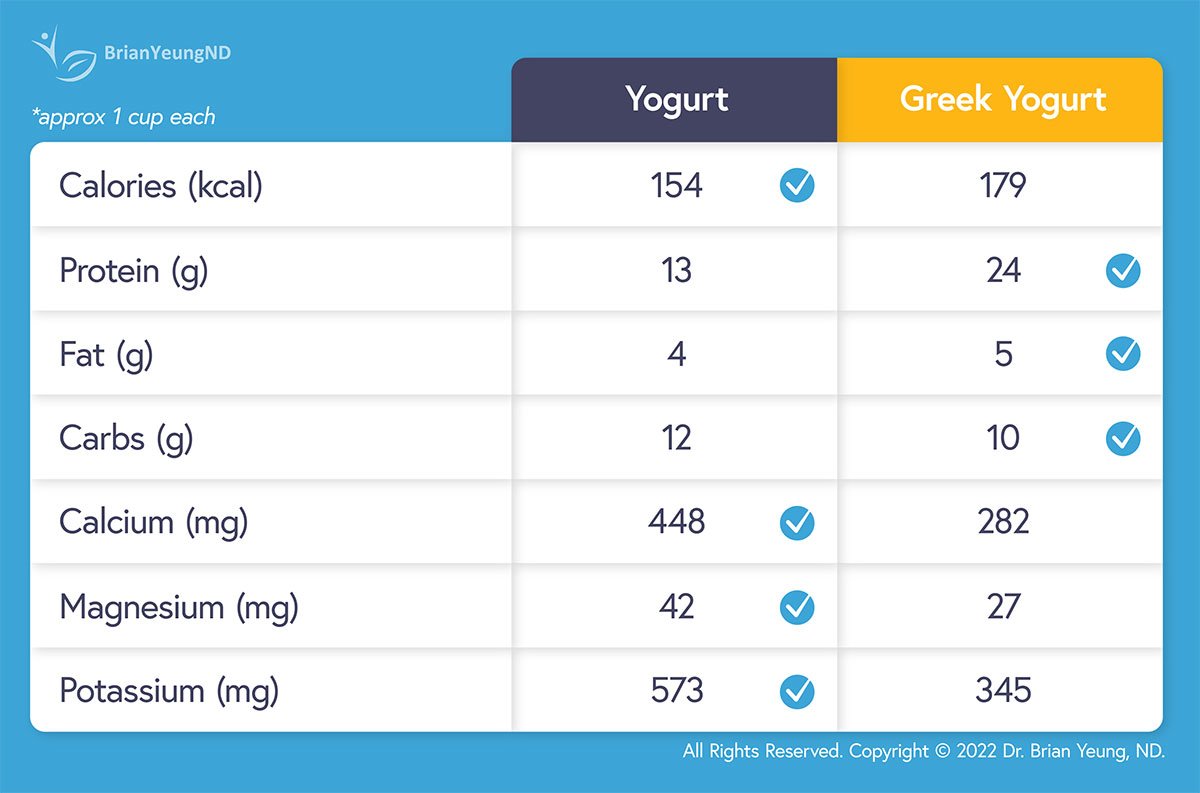
Similarly, eating yogurt as part of a balanced diet is not equivalent to taking C15 in capsule form. Yogurt supplies several nutrients together, and some varieties contain live bacterial cultures. The existing evidence about yogurt and health therefore cannot automatically be attributed to C15 alone.
Likewise, a Mediterranean-style dietary pattern is a more meaningful unit of analysis than one individual fatty acid. Such a dietary pattern typically emphasizes vegetables, fruits, whole grains, legumes, nuts, and unsaturated fats, with other foods included according to individual preferences and needs. For a general overview, see our article on the Mediterranean diet.
The C15 research involving a Mediterranean-style intervention illustrates this point: improvements in weight and liver fat were seen in participants following the healthier diet both with and without C15 supplementation. That is a good reminder that the overall dietary pattern can have measurable benefits without requiring a specialized fatty acid supplement.
C15 Supplements: Final Verdict
C15 is an intriguing fatty acid with a growing body of research behind it. Observational studies have linked higher C15 levels with a lower risk of certain cardiometabolic conditions, and early human supplementation trials have reported potentially useful changes in selected markers, including LDL cholesterol and some liver enzymes under particular circumstances.
However, the evidence remains preliminary. The human trials are relatively small and short, some encouraging findings come from subgroup analyses, and the most notable improvements in the fatty-liver dietary trial were associated with the dietary intervention rather than being clearly attributable to C15 alone. There is not yet convincing evidence that C15 prevents diabetes, treats cardiovascular disease, reverses mitochondrial aging, improves immune function, or extends lifespan.
The marketing surrounding C15 also deserves scrutiny. Calling it an essential fatty acid or proposing a new deficiency syndrome does not establish that supplementation is necessary. Likewise, promising cellular benefits based on laboratory experiments does not demonstrate that people experience the same effects after swallowing a capsule.
There are still legitimate scientific questions to answer. Larger independent clinical trials could determine whether C15 produces consistent improvements in cholesterol, liver health, or other outcomes; whether those effects persist over time; and whether any improvement translates into fewer complications or better quality of life. Longer safety studies would also help establish whether regular supplementation is appropriate.
Until then, most people are better served by prioritizing established measures of health, including a balanced dietary pattern, regular physical activity, adequate sleep, and appropriate medical care for conditions such as high cholesterol, diabetes, or fatty liver disease. Dairy foods may fit into that pattern, but there is no reason to increase saturated fat intake just to chase C15.
My final take: C15 is promising enough to study, but not proven enough to justify the bold claims made by some supplement marketers. It may eventually earn a more established role in nutrition science, but right now the evidence supports cautious interest rather than enthusiastic supplementation. Unless a future clinical trial demonstrates meaningful benefits, C15 is best viewed as an emerging research topic rather than an essential addition to your supplement routine.
Top alternatives to C15
- Fish oil (EPA) – 1 to 4 caps / day
Learn more about
- The Best Proteins and Fats for Losing Belly Fat
- CLA for Weight Loss
- Coconut Oil and MCTs For Weight Loss
- Is Cheese Good For Weight Loss?
- Is Milk Good For Weight Loss?
- Supplement reviews
Citations
Chen G, Qian ZM, Zhang J, Zhang S, Zhang Z, Vaughn MG, Aaron HE, Wang C, Lip GY, Lin H. Regular use of fish oil supplements and course of cardiovascular diseases: prospective cohort study. BMJ Med. 2024 May 21;3(1):e000451. doi: 10.1136/bmjmed-2022-000451. PMID: 38800667; PMCID: PMC11116879.
de Oliveira Otto MC, Lemaitre RN, Song X, King IB, Siscovick DS, Mozaffarian D. Serial measures of circulating biomarkers of dairy fat and total and cause-specific mortality in older adults: the Cardiovascular Health Study. Am J Clin Nutr. 2018 Sep 1;108(3):476-484. doi: 10.1093/ajcn/nqy117. Erratum in: Am J Clin Nutr. 2018 Sep 1;108(3):643. doi: 10.1093/ajcn/nqy260. PMID: 30007304; PMCID: PMC6299165.
Chooi YC, Zhang QA, Magkos F, Ng M, Michael N, Wu X, Volchanskaya VSB, Lai X, Wanjaya ER, Elejalde U, Goh CC, Yap CPL, Wong LH, Lim KJ, Velan SS, Yaligar J, Muthiah MD, Chong YS, Loo EXL, Eriksson JG; TANGO Study Group. Effect of an Asian-adapted Mediterranean diet and pentadecanoic acid on fatty liver disease: the TANGO randomized controlled trial. Am J Clin Nutr. 2024 Mar;119(3):788-799. doi: 10.1016/j.ajcnut.2023.11.013. Epub 2023 Nov 29. PMID: 38035997.
Jin S, Je Y. Dairy Consumption and Total Cancer and Cancer-Specific Mortality: A Meta-Analysis of Prospective Cohort Studies. Adv Nutr. 2022 Aug 1;13(4):1063-1082. doi: 10.1093/advances/nmab135. PMID: 34788365; PMCID: PMC9340963.
Lee CH, Fu Y, Yang SJ, Chi CC. Effects of Omega-3 Polyunsaturated Fatty Acid Supplementation on Non-Alcoholic Fatty Liver: A Systematic Review and Meta-Analysis. Nutrients. 2020 Sep 11;12(9):2769. doi: 10.3390/nu12092769. PMID: 32932796; PMCID: PMC7551292.
Li WL, Zhang NH, Ge SW, Xu G. Dietary Omega-3 Fatty Acid Intake and Mortality in CKD Population: A 1999-2014 NHANES Analysis. Am J Nephrol. 2021;52(12):909-918. doi: 10.1159/000520027. Epub 2021 Nov 26. PMID: 34839290.
MyMojoHealth. C15:0 Fatty Acid: Potential Health Benefits and Dietary Sources. https://keto-mojo.com/article/c15-fatty-acid-health-benefits/ Accessed May 24, 2025
Robinson MK, Lee E, Ugalde-Nicalo PA, Skonieczny JW, Chun LF, Newton KP, Schwimmer JB. Pentadecanoic Acid Supplementation in Young Adults with Overweight and Obesity: A Randomized Controlled Trial. J Nutr. 2024 Sep;154(9):2763-2771. doi: 10.1016/j.tjnut.2024.07.030. Epub 2024 Jul 26. PMID: 39069269.
Timon CM, O’Connor A, Bhargava N, Gibney ER, Feeney EL. Dairy Consumption and Metabolic Health. Nutrients. 2020 Oct 3;12(10):3040. doi: 10.3390/nu12103040. PMID: 33023065; PMCID: PMC7601440.
Trieu K, Bhat S, Dai Z, Leander K, Gigante B, et al. (2021) Biomarkers of dairy fat intake, incident cardiovascular disease, and all-cause mortality: A cohort study, systematic review, and meta-analysis. PLOS Medicine 18(9): e1003763. https://doi.org/10.1371/journal.pmed.1003763
The Washington Post. Fatty liver was a disease of the old. Then kids started getting sick. https://www.washingtonpost.com/health/interactive/2023/nonalcoholic-fatty-liver-disease-kids/ Accessed May 24, 2025
Wade AT, Davis CR, Dyer KA, Hodgson JM, Woodman RJ, Murphy KJ. A Mediterranean diet supplemented with dairy foods improves markers of cardiovascular risk: results from the MedDairy randomized controlled trial. Am J Clin Nutr. 2018 Dec 1;108(6):1166-1182. doi: 10.1093/ajcn/nqy207. PMID: 30351388.
Wang T, Zhang X, Zhou N, Shen Y, Li B, Chen BE, Li X. Association Between Omega-3 Fatty Acid Intake and Dyslipidemia: A Continuous Dose-Response Meta-Analysis of Randomized Controlled Trials. J Am Heart Assoc. 2023 Jun 6;12(11):e029512. doi: 10.1161/JAHA.123.029512. Epub 2023 Jun 2. PMID: 37264945; PMCID: PMC10381976.
Wang Y, Liu K, Long T, Long J, Li Y, Li J, Cheng L. Dietary fish and omega-3 polyunsaturated fatty acids intake and cancer survival: A systematic review and meta-analysis. Crit Rev Food Sci Nutr. 2023;63(23):6235-6251. doi: 10.1080/10408398.2022.2029826. Epub 2022 Jan 24. PMID: 35068276.
Yuzbashian E, Fernando DN, Pakseresht M, Eurich DT, Chan CB. Dairy product consumption and risk of non-alcoholic fatty liver disease: A systematic review and meta-analysis of observational studies. Nutr Metab Cardiovasc Dis. 2023 Aug;33(8):1461-1471. doi: 10.1016/j.numecd.2023.04.018. Epub 2023 May 3. PMID: 37244850.
See also
- Fibermaxxing for Weight Loss
 With so many fiber supplements making big weight-loss claims, which ones actually work? The research points to just a few worth considering.
- Can Akkermansia Boost GLP-1?
 Akkermansia is a postbiotic that may support weight loss and increase GLP-1 under certain conditions, but research is still limited.
- The Truth About DAO Supplements
 DAO supplements have some evidence for migraines and chronic hives related to histamine intolerance, but little evidence for other uses.
- The Sea Moss Myth
 Sea moss mainly contains iodine and carrageenan, neither of which has useful health benefits for most people and may even be harmful.
- Best Fibers for Digestive Health
 In theory, many types of fiber could support digestive health—but only a small number actually delivers real benefits.
https://pmc.ncbi.nlm.nih.gov/articles/PMC10649853/
I agree with the other commenters. I don’t know about other brands but the Sonomo brand from Japan is well proven. The capsules is basically dried natto powder which has been used in Japanese culture for centuries and the benefits of natto have been scientifically supported.
Are you using the Japanese brand, Sonomo, or wannabe’s?
I’m a diabetic. Before taking Fatty15 my Blood Sugar was marked at 68% between 70 and 180. Almost immediately after beginning Fatty15 my blood sugar is at 86%. This is the only addition to my vitamin regimen. Thanks
Over 100 peer-reviewed studies have been published since 2020—including work from leading institutions like Harvard, Johns Hopkins, and Cambridge—linking higher C15:0 levels to better overall health. Notably, a French research team independently evaluated C15:0 through two rigorous, peer-reviewed studies:
1. A comprehensive literature review
2.A gold-standard dietary deficiency study
Both confirmed that C15:0 meets the scientific criteria for an essential fatty acid, echoing the original 2020 findings.
Some of the latest randomized and controlled clinical trials (RCT’s) related to C15:0: At the University of San Diego, a study by Robinson et al. found that in a group of young adults who had a high BMI and suboptimal liver function, fatty15 (at 200mg/day) improved liver function within 12 weeks when they achieved C15:0 blood levels greater than 5 µg/ml (aka were not C15:0 deficient), specifically:
Significantly lower liver enzymes ALT (-29 U/L, p-value = 0.001)
Significantly lower AST (-6 U/L p-value=0.014)
Further, this group had increased hemoglobin (+0.6 U/L, p-value = 0.01), supportive of fatty15’s core role in stabilizing red blood cell health. As other studies have shared, this RCT further confirmed that a critical C15:0 blood level threshold is needed to avoid deficiency and experience functional benefits.
A second RCT by Chooi et al., participants supplemented with the pure C15:0 ingredient in fatty15 at 300mg/day had:
Significantly lower LDL cholesterol (p-value < 0.05)
Improved gut microbial health (aka increased growth of Bifidobacterium adolescentis) (p-value < 0.05).
Further, 2 clinical trials were conducted that demonstrated the absorption of pure powder C15:0 (aka our ingredient in fatty15) and the ability to achieve circulating C15:0 concentrations at fatty15's 100 mg oral dose to effectively activate key mechanisms in humans, including activating PPAR receptors and repairing mitochondria.
The statistically significant functional liver, red blood cell, and cholesterol health benefits demonstrated in these RCTs directly align with prior peer-reviewed literature, including:
Prior laboratory studies showing lower liver enzymes, raised hemoglobin, and lower cholesterol in models of liver, red blood cell and metabolic health
Extensive mechanisms of action studies showing fatty15 as a PPAR a/d & AMPK activator and cell stabilizer.
Human pharmacokinetic clinical trials showing that every 100 mg of oral fatty15 increases C15:0 blood levels by approximately 0.1%, 2.4 ug/ml, or 10 uM
Dosing studies across numerous studies reliability showing active C15:0 concentrations are between 10 and 50 uM of the pure C15:0 ingredient in fatty15
Meta-analyses of large prospective cohort studies that consistently show that people with higher C15:0 blood levels have better metabolic, liver and heart health.
These outcomes successfully linking human epidemiologic, human cell-based, in vivo, mechanism of action, human dosing and human RCTs have been led by prestigious scientific teams throughout the world and have taken place over the past 10 years, including teams from Harvard and Johns Hopkins as well as from Italy, Sweden, Australia, South Korea, China, and more, covering the growing evidence of C15:0's broad health benefits.
There are not “100+ independent human studies” showing C15:0 improves health. The human evidence consists of a few small, short-term RCTs (30–90 participants) measuring surrogate biomarkers, not clinical outcomes. Most associations come from observational dairy-fat studies, which do not prove causation.
Also, C15:0 is not an essential fatty acid. Only linoleic acid (omega-6) and alpha-linolenic acid (omega-3) meet that definition. The cited French papers explicitly say more research is needed—they do not establish dietary essentiality, nor is C15:0 recognized by any nutrition authority.
The UCSD “liver” RCT is selectively described. Improvements occurred only in a post-hoc subgroup who happened to reach a high blood level; there was no consistent group-wide benefit vs placebo.
The Chooi RCT showed modest LDL changes in a weight-loss context and a shift in one gut bacterium—hardly evidence of broad metabolic benefit.
Claims about “PPAR activation,” “mitochondrial repair,” and precise blood-level thresholds are mechanistic and preclinical findings, not proof of meaningful human health outcomes.
Much of this research is driven by a single group with commercial and patent ties to Fatty15. Independent reviews describe the cardiovascular and metabolic evidence as inconsistent.